


Supplier Validation Checklist: Qualifying an OEM for Robotic Joint Electronics
Hard data thresholds for hardware engineering and procurement teams to evaluate electronics manufacturing partners for critical robotic actuators.
Moving a robotic joint from a lab prototype to mass production fails most often at the electronics level, not the kinematics.
Executive Summary (TL;DR)
- A competent OEM partner must perform a full thermal PCB review before production.
- Yield rates and Cpk (>1.33) are more critical than upfront quoted PCBA costs.
- X-Ray inspection for BGA and GaN thermal pads is non-negotiable for robotic actuators.
If your contract manufacturer drops the ball on SMT voiding or thermal DFM, the actuators will burn out under load. Here is the exact audit checklist we use to qualify high-power micro PCBA assembly lines.
Phase 1: Engineering & DFM (Design for Manufacturing) Capabilities
Before any solder is applied, a competent OEM should dissect your design to identify production risks. A supplier that accepts a Gerber file without a DFM review is a massive red flag.
| Audit Item | Baseline Requirement | Best-in-Class (GanServo Standard) |
|---|---|---|
| BOM Scrubbing | Checks for EOL (End of Life) parts. | Proposes pin-to-pin compatible alternatives for high-risk components (like specific gate drivers or MCUs) to mitigate supply chain shocks. |
| Thermal PCB Review | Checks track widths against continuous current. | Analyzes copper weights and thermal via arrays specifically for GaN/MOSFET heat dissipation. |
| Test Coverage | Requests basic functional testing. | Enforces DFM rules ensuring sufficient test points are exposed for bed-of-nails (ICT) testing and custom FCT jigs. |
Phase 2: SMT Assembly & Cleanroom Standards
Micro servo drives for robotics often utilize 0201 or even 01005 passive components to fit within tight mechanical envelopes (like the hollow shaft of a robotic joint). This demands high-end, tightly controlled SMT lines.
Critical Inspection Gates
- Solder Paste Inspection (SPI): 3D SPI must be utilized post-printing. For high-power thermal pads, the volume of solder paste is critical. Insufficient volume causes thermal failure; excess causes bridging on adjacent micro-components.
- Automated Optical Inspection (AOI): AOI is mandatory after reflow to catch placement errors, tombstones, or insufficient wetting.
- X-Ray Inspection (Mandatory for GaN): For bottom-cooled GaN devices and micro-BGAs (like complex MCUs or absolute encoders), X-Ray inspection is non-negotiable.
Validation Threshold: You must demand a void ratio of < 25% under the thermal pads. Higher voiding acts as thermal insulation, leading to premature field failure under stall conditions.
Phase 3: Functional Testing & Calibration (FCT)
A PCBA that passes AOI is not necessarily a working servo drive. The OEM must prove they can validate the functional physics of the board.
- FCT (Functional Circuit Test) Jigs: Can the supplier design and build custom test jigs to flash firmware, calibrate ADCs (for precise phase current sensing), and perform a spin-test on a dummy motor?
- Encoder Calibration: For boards with integrated magnetic encoders (e.g., AS5047P), does the OEM have a reliable process for calibrating the diametric magnet alignment, reading the CORDIC output, and writing the offset data to EEPROM?
- Burn-in Testing: Is there a standard operating procedure for thermal cycling or burn-in testing under dynamic load (not just static power-on) to catch early infant mortality in the power stage?
Phase 4: Quality Management & Traceability
When a robot fails in the field, traceability is the only way to contain the blast radius of a component issue.
The Traceability Audit
- Component Batch Tracking: Are components tracked by date code and lot number, and directly linked to the specific PCBA serial numbers via MES (Manufacturing Execution System) barcode scanning?
- Yield Rate Reporting: Will the OEM provide transparent yield rate data and root-cause analysis (8D reports) for failures during the EVT/DVT (Engineering/Design Validation Test) pilot runs?
- Process Capability (Cpk): For critical dimensions or test values (like ADC offset voltages), can the supplier demonstrate a Cpk > 1.33?
Stop accepting PCBAs that work on the bench but fail in the field. Enforce these thresholds before signing the PO.
More Posts
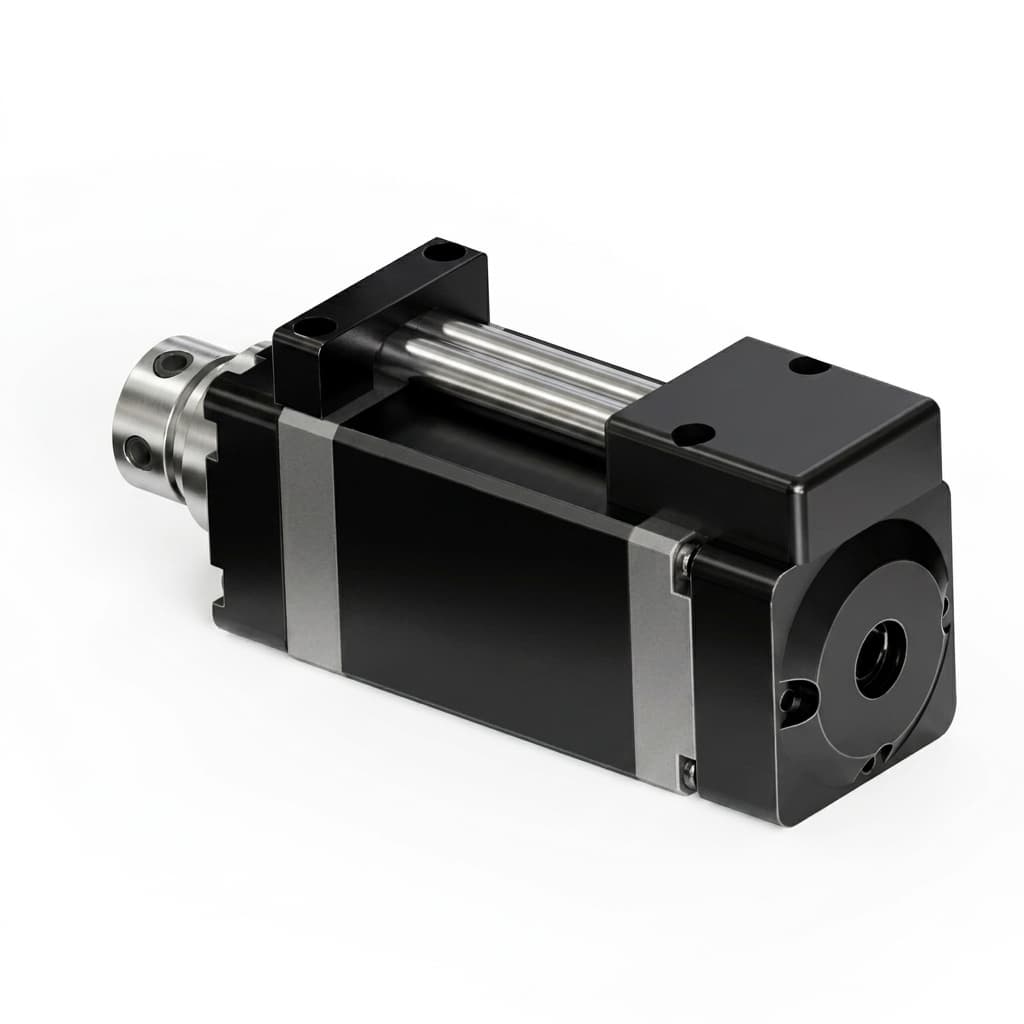
48V GaN Servo Architecture for Humanoid and AMR Procurement
See why 48V GaN servo drives help humanoid and AMR teams cut harness weight, manage heat, vet suppliers, and request a 48V evaluation kit for pilot sourcing.

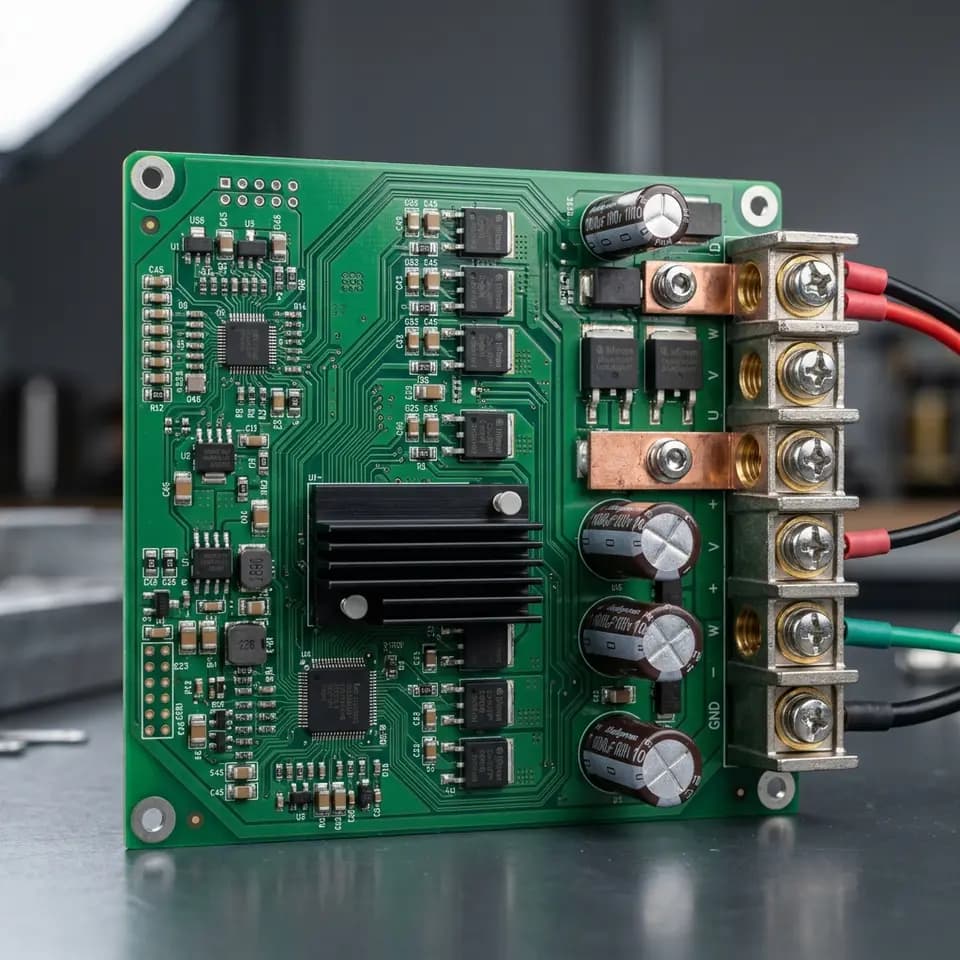
AEC-Q101 GaN Servo Drives in Robotics: The 2026 Procurement Guide
Why mobile robotics and AMR buyers are demanding automotive-grade AEC-Q101 GaN servo drives. Compare TCO, lifecycle, and supplier vetting strategies.
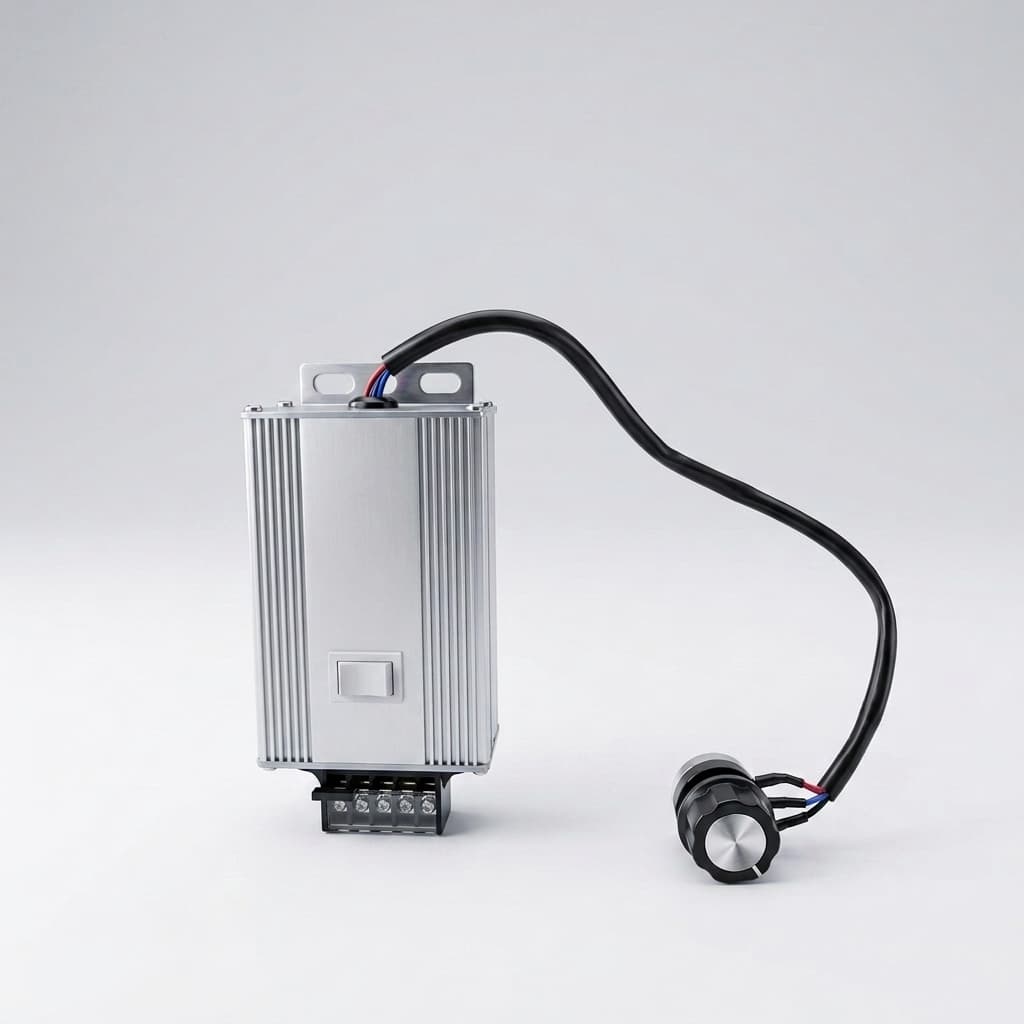
Thermal Management Strategies for Micro GaN Servo Drives in Robotic Joints
Actionable stack-up and firmware strategies for managing heat dissipation in ultra-compact GaN-based servo PCBA stacks for humanoid robots and cobots.