

Ultra-Compact Footprint
Sub-miniature PCBA designs leveraging Gallium Nitride (GaN) for maximum power density in tight robotic joints.
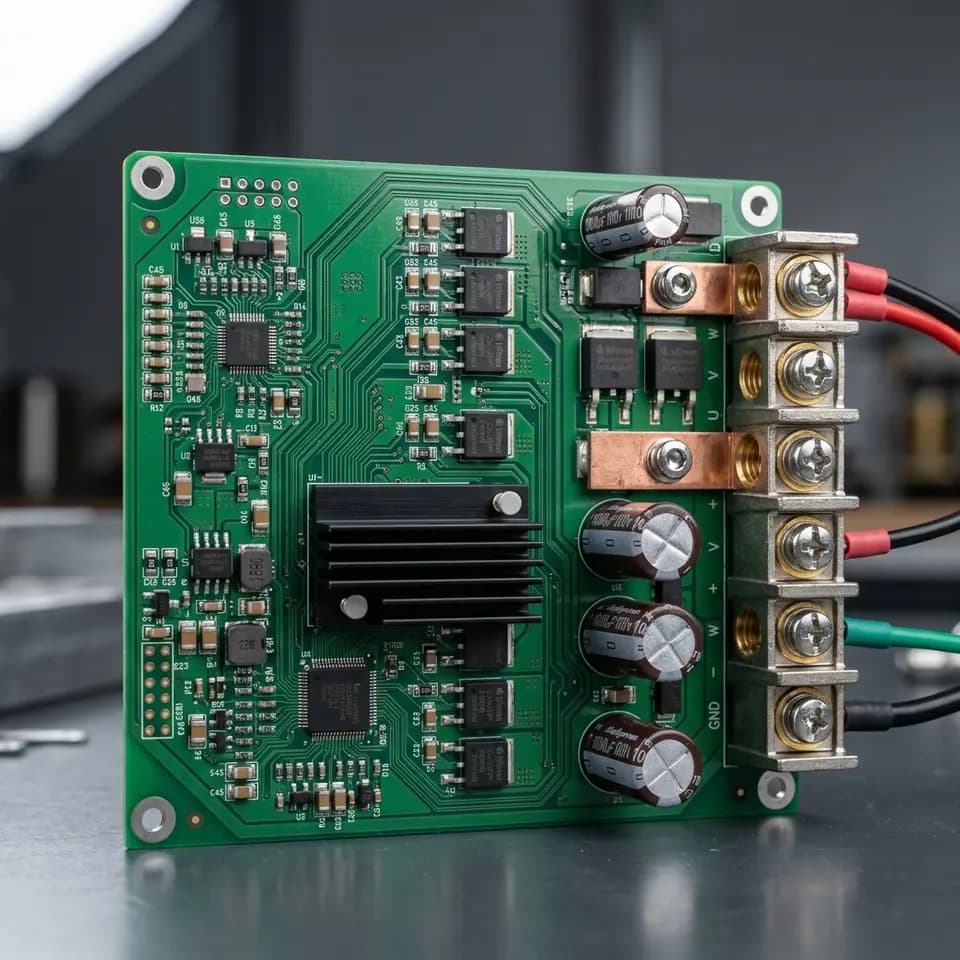
Dense board assembly, AOI, microscope solder review, and functional test planning.
Custom board envelope, connectors, encoder interface, and low-voltage GaN power stage support.
DFM review, pilot builds, revision control, and repeatable OEM delivery for robotics teams.
Solving the Compact Actuator Bottleneck
We bridge the gap between advanced motor control theories and mass-producible, thermally-optimized hardware.
Sub-miniature PCBA designs leveraging Gallium Nitride (GaN) for maximum power density in tight robotic joints.
Optimized copper planes and thermal vias ensuring continuous high-current delivery without premature throttling.
Hardware architectures ready for 100kHz PWM, low-latency EtherCAT/CAN FD, and dual absolute encoders.
In-house SMT, AOI, and functional testing. We scale your prototypes to thousands of units with rigid quality control.
Our Core OEM Commitments
We understand that outsourcing proprietary servo hardware requires absolute trust, speed, and engineering alignment.
Your firmware and PCB layouts remain completely confidential. We execute strict NDAs before any design files are shared.
No sales middlemen. You talk directly with hardware engineers who understand thermal envelopes, commutation, and EMI.
Every board goes through SMT AOI, firmware flashing, and functional burn-in tests before leaving our cleanroom.
Robotics buyers need more than a board photo. These paths connect architecture selection, quality evidence, STEP envelope review, BOM governance, validation gates, and production release.
Quality
Review SMT controls, clean handling, AOI/microscope scope, thermal evidence, functional test, traceability, and release records without relying on unverified badge claims.
Review evidence pathTurnkey BOM
Coordinate drive PCBA, encoder interface, connector, firmware, FAI, AVL, CTQ, serial labels, packaging, and MP release around one compact actuator program.
Plan turnkey programSTEP Review
Request an engineering-scoped envelope guide using company email, project description, prototype volume, EAU, motor data, board space, thermal path, and firmware ownership.
Request guideStep 1
Start from architecture fit, target operating window, and interface assumptions before entering RFQ.
Step 2
Confirm your architecture against application duty, thermal envelope, and integration constraints before sample planning.
Step 3
Review revision control, sample acceptance evidence, and delivery governance before commercial finalization.
Explore our high-density PCBA platforms designed for compact robotics and edge automation.
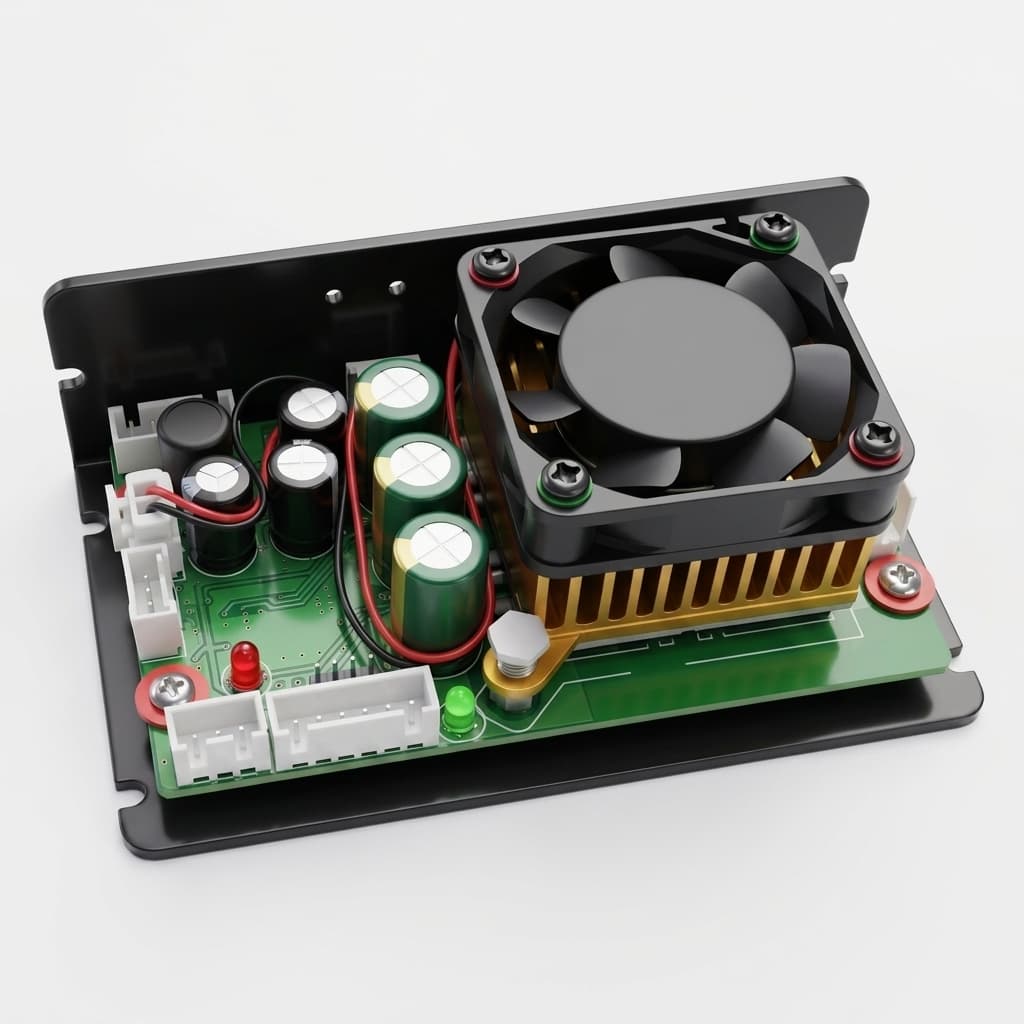
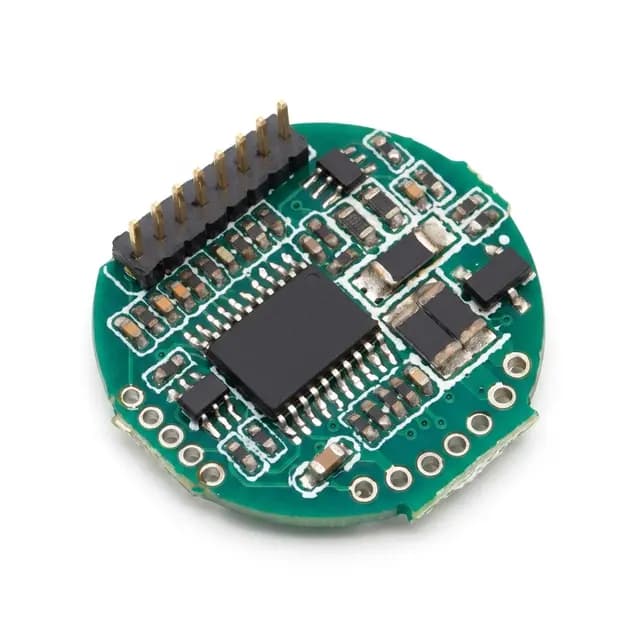
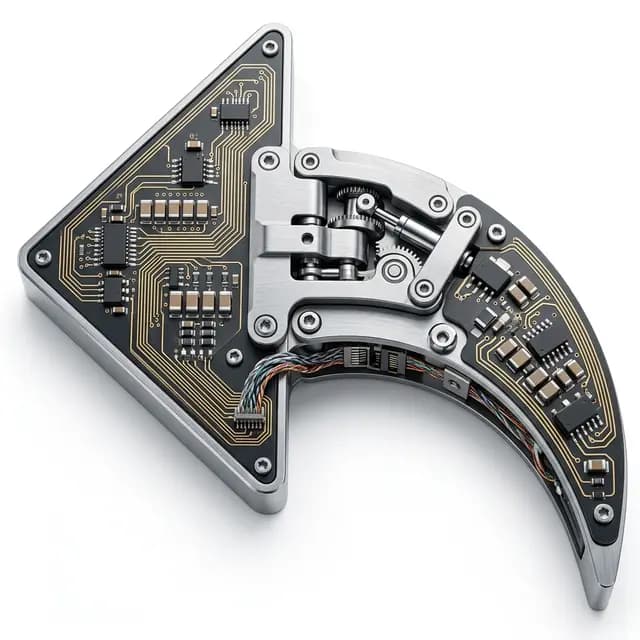
This quick matrix helps cross-functional teams compare major options before opening a detailed RFQ thread.
| Family | Best Fit | Key Metric | Why It Matters |
|---|---|---|---|
| 24V GaN Inverter Board for Motor Drives | For engineering teams aiming to evaluate GaN thermal advantages before committing to a custom OEM drive design. | PWM Frequency: 20 kHz to 100+ kHz | GaN enables high frequency without severe thermal penalty, improving bandwidth. |
| Micro GaN Servo PCBA | Best for robotics startups, R&D teams, and OEMs that need a custom GaN servo board instead of a catalog industrial drive. | DC bus voltage: 24 V / 36 V / 48 V / 60 V class | Matches battery-powered robots and avoids oversized 220 V industrial servo drives. |
| Robotic Joint Servo OEM | For teams building their own joint modules that need a China-based OEM partner for the electronics layer. | Peak current window: Defined by motor and thermal path | Robotic joints often need short bursts; board sizing must separate peak current from continuous thermal limits. |
| Low Voltage GaN Servo Module | For hardware teams replacing bulky industrial servo drives with compact low-voltage GaN electronics. | Voltage class: 24 V to 60 V DC | Directly targets robotics and mobile equipment instead of AC mains servo categories. |
| Driver-Encoder Integrated Servo Stack | For OEMs that need a custom electronics stack inside a small actuator housing. | Stack integration: Driver + encoder interface + communication board | Integrated stacks save axial space and reduce wiring failure modes. |
| GaN Servo Evaluation Kit | For teams that need to validate a low-voltage GaN servo path quickly before committing to tooling or custom PCBA. | Evaluation scope: Board sample, wiring notes, application review, optional firmware handoff | Good evaluation kits reduce custom design risk before production spending. |
| 48 V Bare-Board GaN Servo Driver | For hardware teams replacing bulky enclosed drives with a custom low-voltage board that can be integrated directly into the actuator. | Voltage class: 36 V / 48 V / 60 V DC programs | Targets battery-powered robots where 220 V industrial servo drives are mechanically and electrically oversized. |
| Ring-Shaped Humanoid Joint PCBA | For humanoid teams whose mechanical joint architecture is fixed and whose electronics must be shaped around it. | Mechanical envelope: Customer-defined ring, crescent, or segmented PCBA | Humanoid joints often fail packaging review before they fail electrical review. |
| Micro GaN Surgical Drive | For medical hardware teams that need compact servo electronics with disciplined documentation, not unsupported hobby-grade drive boards. | Documentation package: BOM, revision, inspection, functional test, thermal sample, and batch record support | Medical-adjacent teams need evidence they can review during design transfer and supplier qualification. |
| High-Frequency UAV GaN ESC | For UAV and robotics OEMs that need lighter custom drive electronics than a catalog industrial module can offer. | Weight-sensitive format: Bare PCBA or compact enclosed module | UAV programs evaluate every gram against endurance, payload, and thermal reliability. |
Visual proof of our OEM capabilities, from dense PCBA cleanroom assembly to thermal and functional validation.

Precision mounting for dense GaN modules.
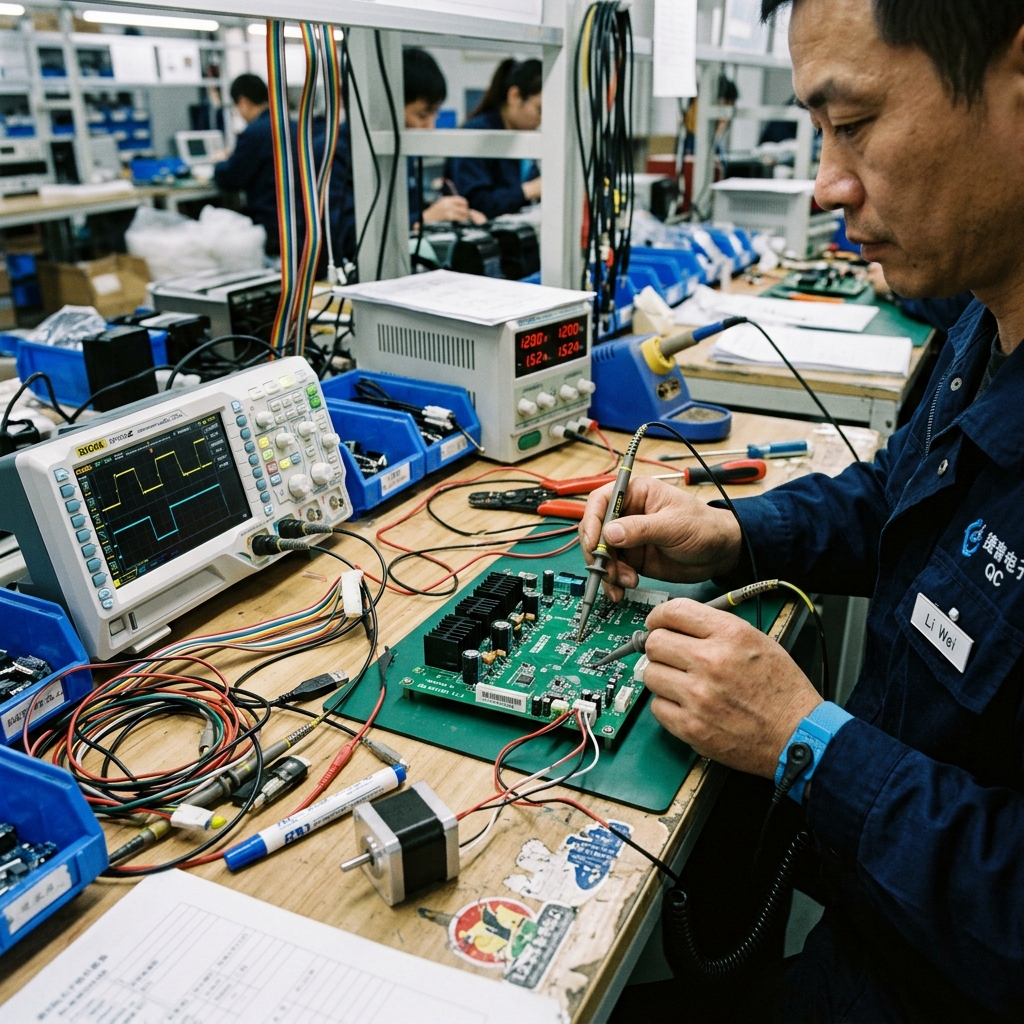
Ensuring zero defects on high-current traces.
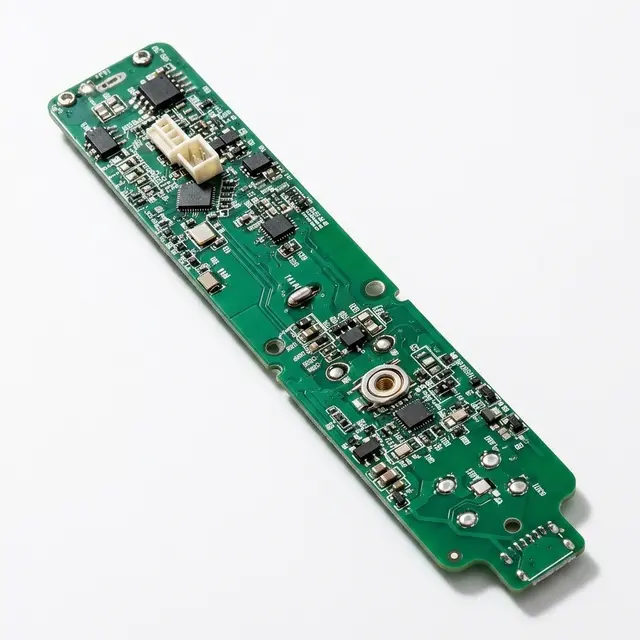
Manual verification of critical joints.
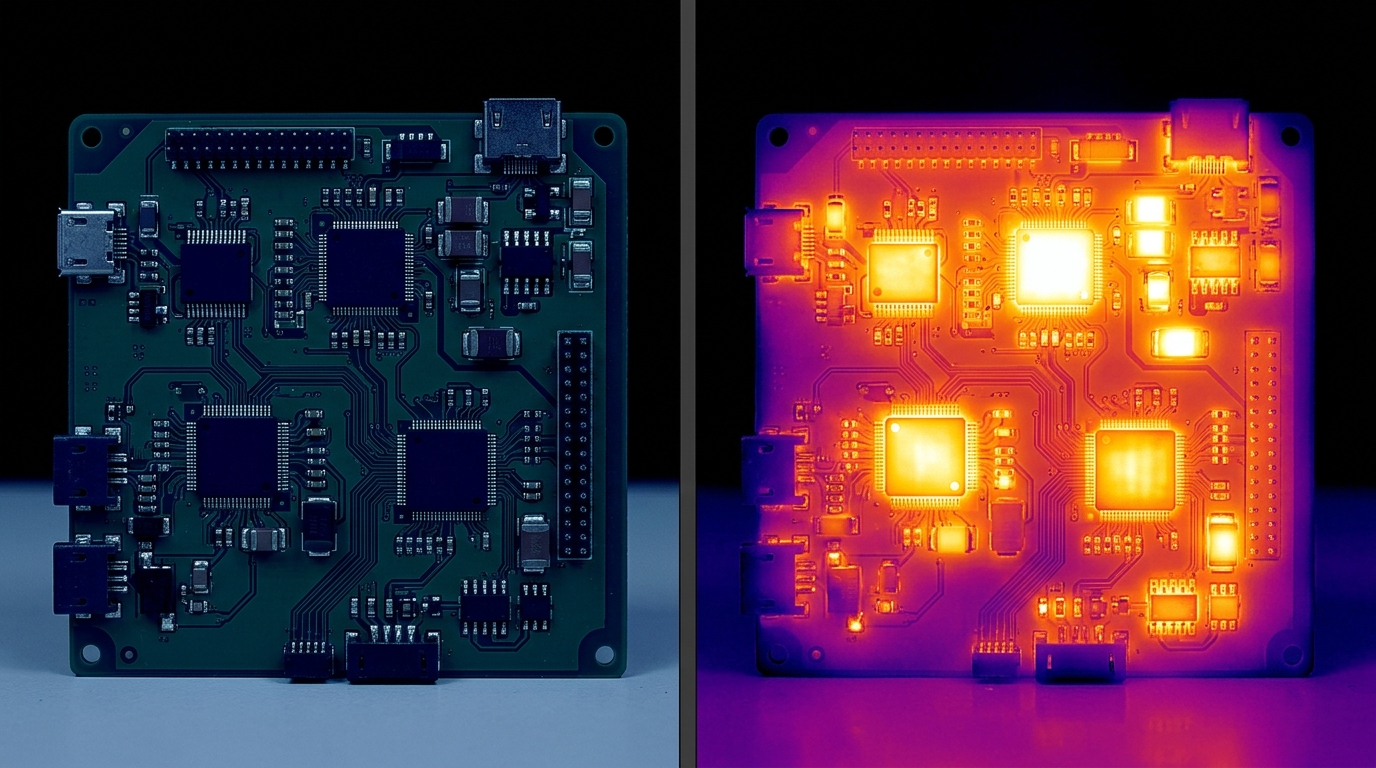
Validating heat dissipation under peak loads.
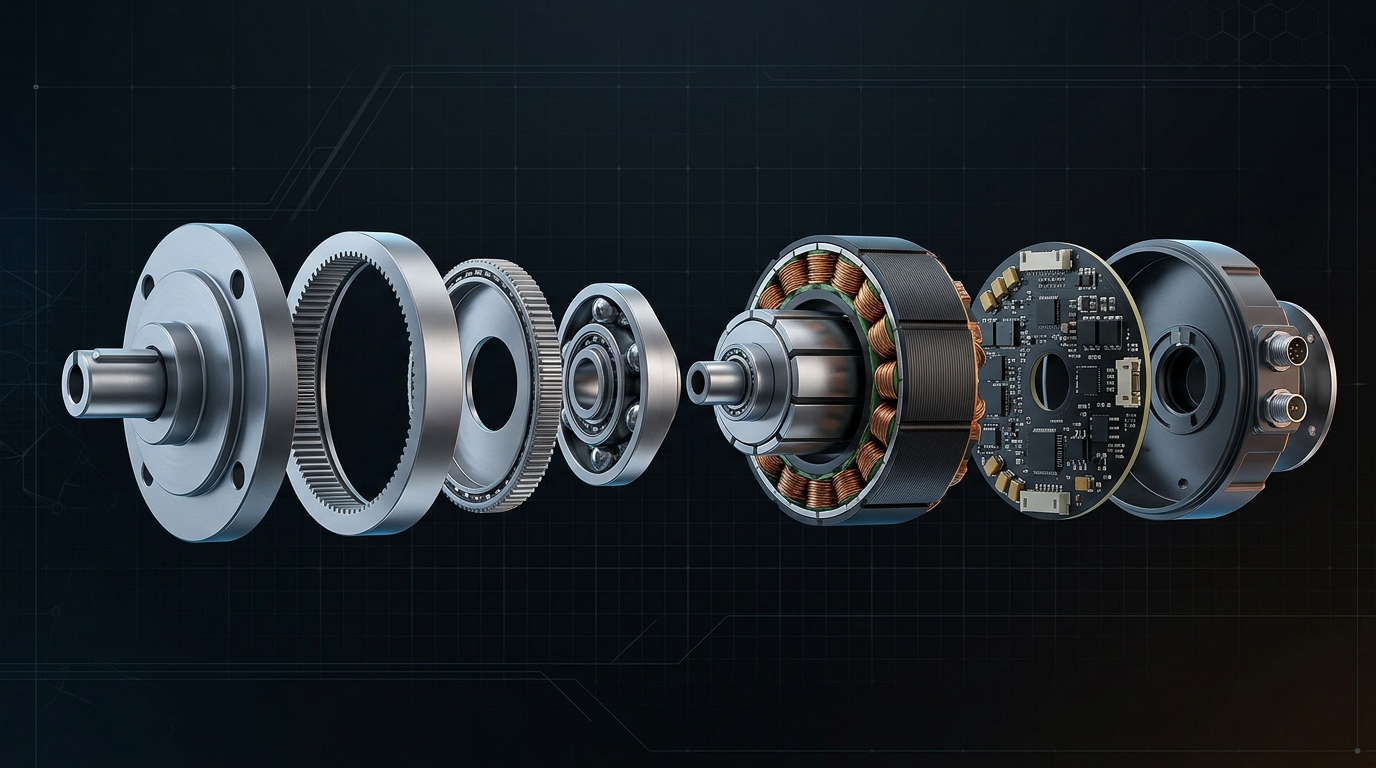
3D envelope verification to ensure zero fitment errors in your enclosure.
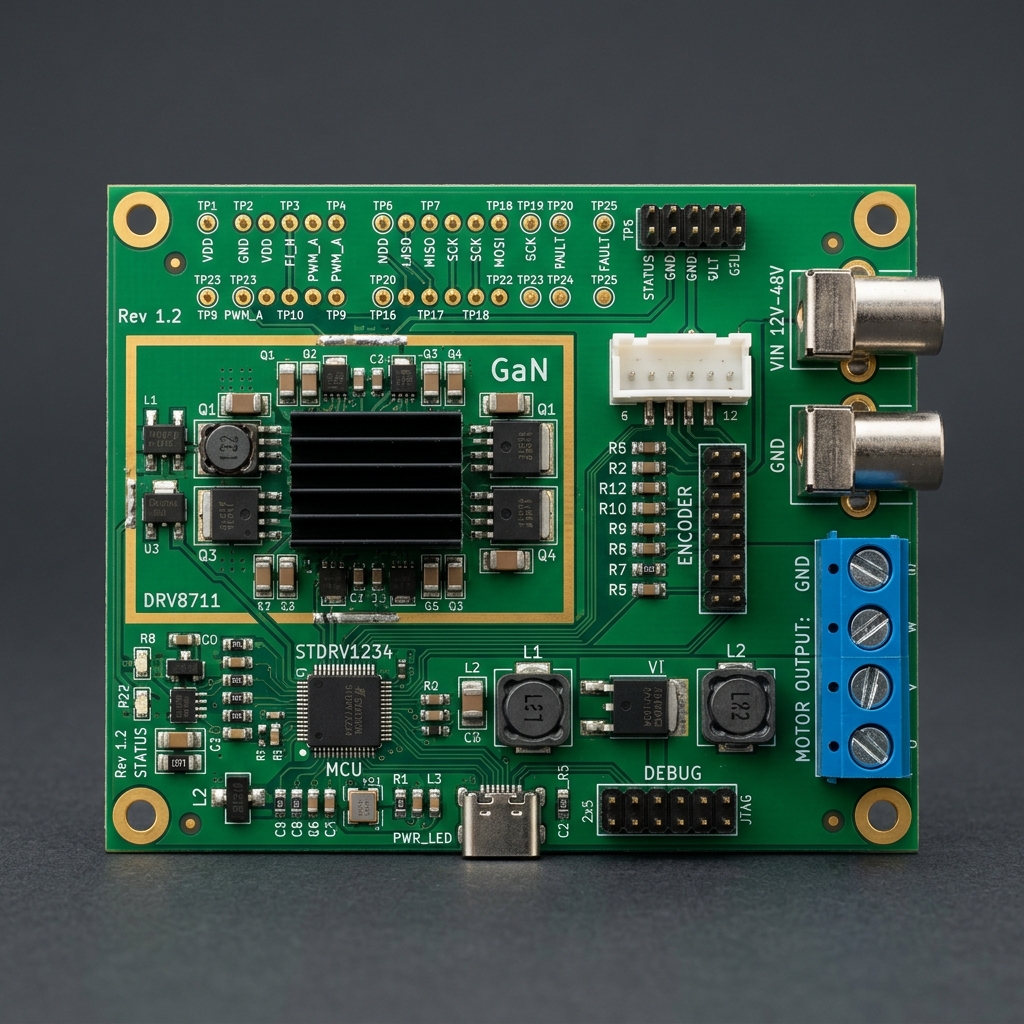
Custom end-of-line testing for calibration and pass/fail traceability.
Practical buyer-side checklists, decision frameworks, and technical insights from our OEM engineering team.
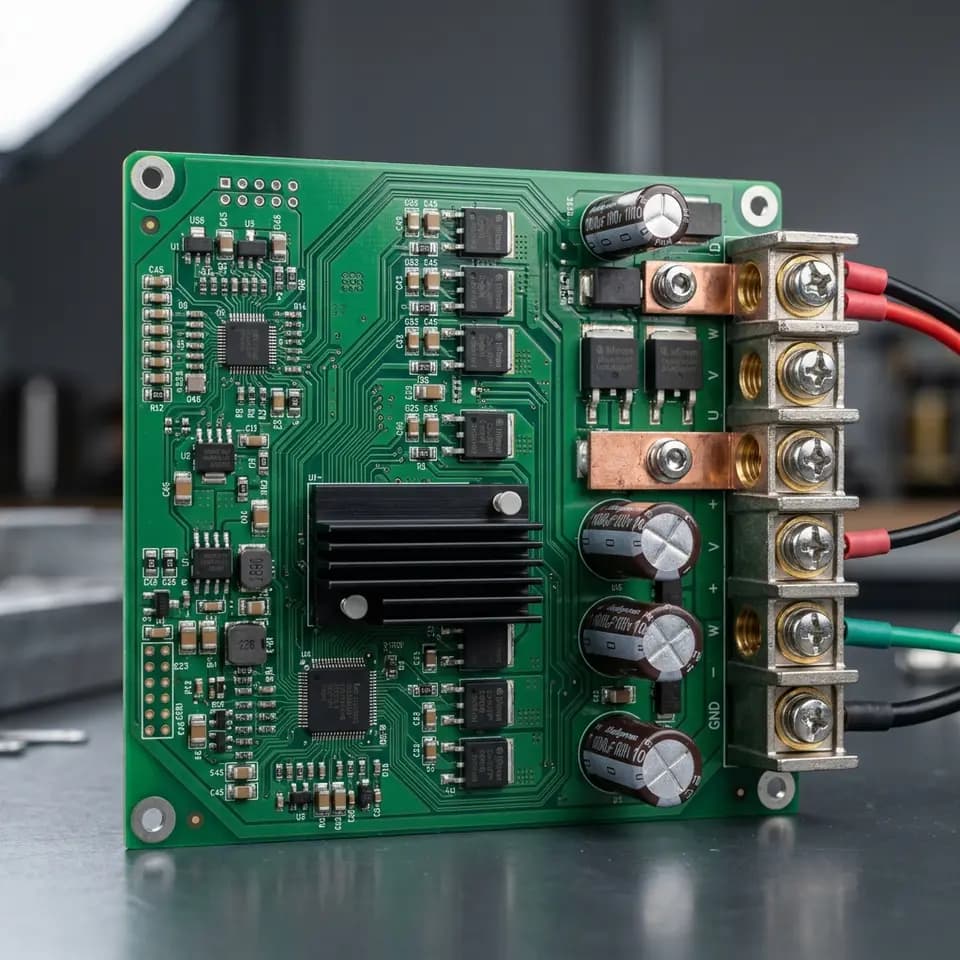
Why mobile robotics and AMR buyers are demanding automotive-grade AEC-Q101 GaN servo drives. Compare TCO, lifecycle, and supplier vetting strategies.

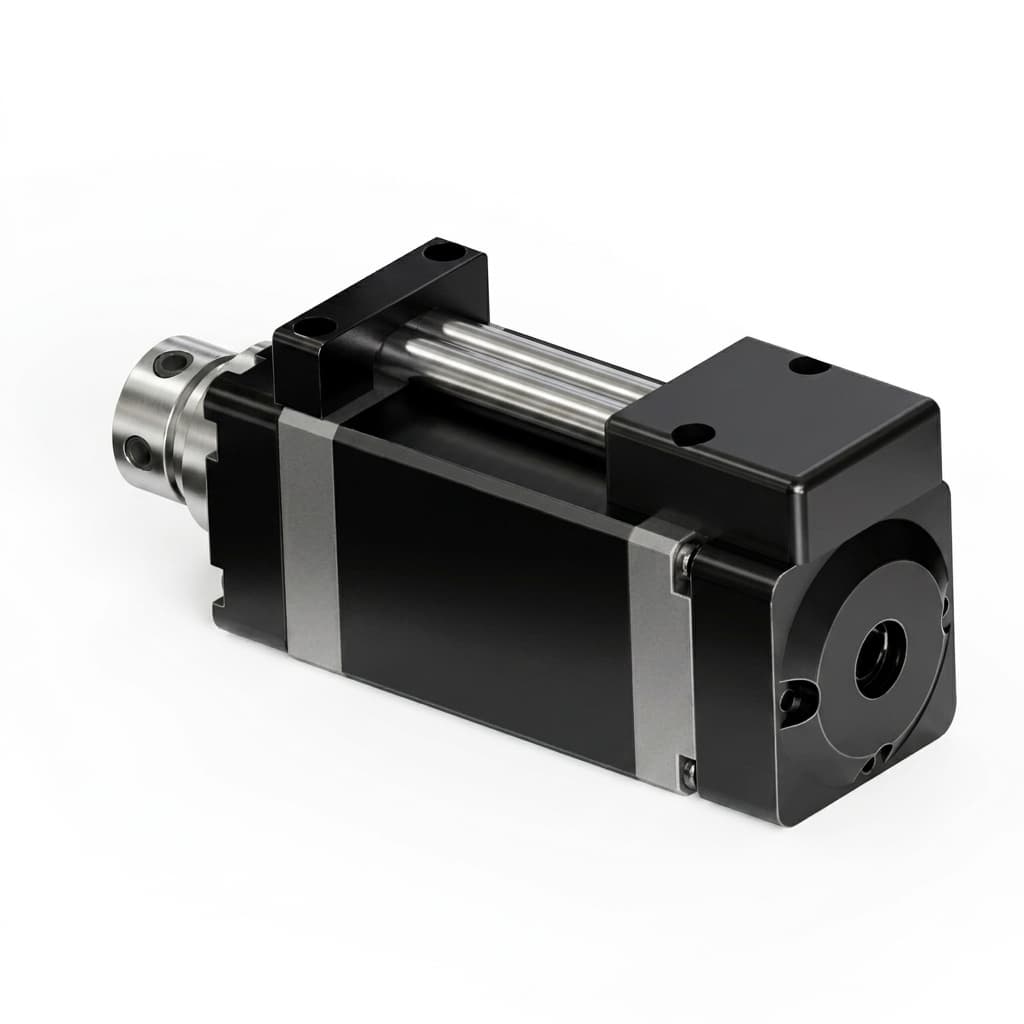
GaN servo EMI/EMC guide for robotics teams: specify 48V drives, review PCB layout, gate shaping, SSFM, and vendor evidence before CE/FCC compliance testing.
See why 48V GaN servo drives help humanoid and AMR teams cut harness weight, manage heat, vet suppliers, and request a 48V evaluation kit for pilot sourcing.
FAQ
Share your motor specs, PCBA envelope, bus, and firmware requirements for a practical engineering review.
Inquiry Email
Include target torque/speed, quantity, and delivery location.
Avoid the common failure mode where a servo drive looks correct on paper but fails during thermal commissioning or dynamic locomotion. We recommend starting with a workflow that aligns technical fit, validation criteria, and test coverage.
| Decision Stage | Best Page | What You Gain |
|---|---|---|
| Architecture fit | Products | Compare product families, integration options, and RFQ input requirements. |
| Application risk | Solutions / Applications | Review scenario-based risk controls and measurable validation checkpoints. |
| Reference research | Engineering Blog | Review buyer-side checklists, sourcing methods, and design notes before freezing specs. |
| Commercial baseline | About | Understand team profile, process capability, and cooperation model before shortlisting a supplier. |
| Supplier execution | OEM Capabilities | Understand DFM, prototype control, quality records, and export delivery governance. |
| Quality evidence | Quality Facilities | Review SMT, clean handling, inspection, thermal, traceability, FAI, AVL, and CTQ evidence expectations. |
| Mechanical pre-check | STEP Envelope Guide | Request an envelope and integration checklist before freezing board shape, connectors, and heat path. |
| Execution start | Contact / RFQ | Use the inquiry checklist to reduce quote loops and get a faster actionable response. |
For deeper decision support, review our engineering blog where each post includes practical buyer-side checklists.